
RPZ Backflow Preventers: How They Work, When They're Required, and What to Expect
The RPZ is the most protective backflow prevention assembly available — and the most misunderstood. Here is everything a property owner or facility manager needs to know.
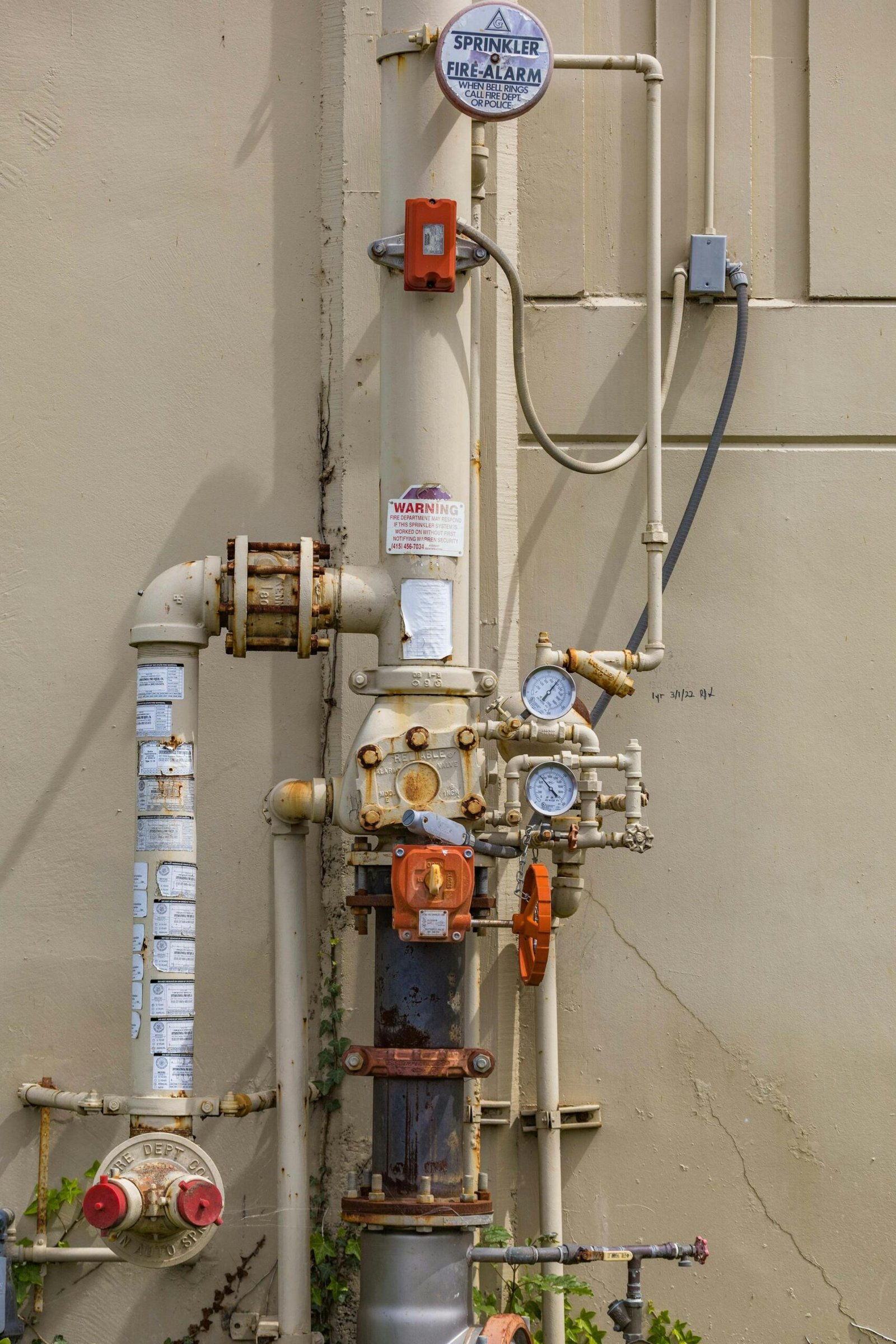
If you own or manage a commercial building, an industrial facility, a property with a chemical irrigation system, or any structure with a fire suppression system that uses additives, there is a reasonable chance your water utility has required — or will require — you to install a Reduced Pressure Zone backflow preventer. Known in the trades by its acronym, RPZ, this assembly is the most protective mechanical device available for preventing contaminated water from entering the potable water supply. It is also the assembly most often misunderstood by property owners encountering it for the first time.
The confusion is understandable. RPZ assemblies are larger, more complex, and more expensive than the other backflow prevention devices commonly found in residential and light commercial settings. They have a visible discharge port that sometimes drips or runs — a feature that property owners often mistake for a malfunction. They must be installed above ground in most configurations, which raises questions about access, aesthetics, and freeze protection. And because they are required for high-hazard applications, the properties that need them tend to have more at stake when compliance deadlines are missed.
This article explains exactly how an RPZ works, what sets it apart from simpler assembly types, when it is required versus when a less protective device is permitted, what the annual testing process involves for RPZ assemblies specifically, what failure looks like and what repairs entail, and what property owners should expect from installation and ongoing maintenance. If your water utility or local plumbing authority has specified an RPZ for your property, this is the foundation you need.
What RPZ Stands For — and Why the Name Matters
RPZ is an abbreviation for Reduced Pressure Zone, which describes the operating principle at the heart of the device. Between the two check valves inside the assembly body, there is a precisely engineered zone of lower pressure — a zone that is always maintained below the supply pressure under normal operating conditions. This differential is the key to the device’s function and to its reliability.
Water, like all fluids, flows from areas of higher pressure toward areas of lower pressure. The RPZ exploits this principle deliberately: by maintaining a reduced pressure zone between its two check valves, it creates a hydraulic environment in which water simply cannot flow backward into the supply under normal conditions. And when abnormal conditions arise — a pressure surge, a supply pressure drop, a failing check valve — the assembly’s relief valve responds automatically, discharging water from the reduced pressure zone rather than allowing any possibility of contaminated water reaching the supply.
You will also hear RPZ assemblies referred to as RP assemblies (Reduced Pressure), RPZA (Reduced Pressure Zone Assembly), or RPZD (Reduced Pressure Zone Device). All of these terms describe the same class of device. Manufacturers including Watts, Febco, Wilkins, Apollo, and Ames produce RPZ assemblies to ASSE 1013 and USC FCCC&HR standards, which govern the design, performance, and testing requirements for this device type.
The Mechanics: Inside an RPZ Assembly
An RPZ assembly contains five primary components housed within a brass valve body, with two shutoff valves at the inlet and outlet to allow service without cutting the supply line, and four test cocks that provide access points for testing equipment.
First Check Valve
The inlet check valve is a spring-loaded disc that opens under forward flow pressure and closes when that pressure differentiates. It forms the first barrier against backward flow. Under the minimum test standard, this valve must hold a pressure differential of at least 5 PSI — meaning it must resist backflow pressure of at least 5 PSI above the downstream pressure before any water passes through it. In practice, well-maintained first check valves typically hold differentials considerably higher than this minimum.
The Reduced Pressure Zone
Between the two check valves is the reduced pressure zone itself — the internal cavity that gives the assembly its name. Under normal forward-flow conditions, this zone is maintained at a pressure approximately 5 to 10 PSI below the supply pressure. This differential is actively maintained by the relief valve, not passively held by static components. The zone is dynamic, responding continuously to changes in supply pressure and downstream demand.
Differential Pressure Relief Valve
The relief valve is the RPZ’s defining component — the element that makes it fundamentally different from a double check valve assembly. This valve is positioned between the two check valves, vented to the atmosphere through a discharge port. It is held closed by the pressure differential between the supply side and the reduced pressure zone: as long as the zone pressure is at least 2 PSI below supply pressure, the relief valve stays closed.
When that differential drops — because the supply pressure falls, because the first check valve fails to hold, or because backpressure from the downstream side pushes against both check valves — the relief valve opens and discharges water from the reduced pressure zone to the atmosphere. This discharge serves two functions: it prevents the zone pressure from rising to match or exceed supply pressure (which would allow backward flow), and it provides an immediate visible and audible indication that something is wrong.
This is the RPZ’s core advantage over every other testable assembly type: it announces its own failure. A double check valve that begins to fail does so silently, with no external indication until a formal test is performed. A failing RPZ opens its relief valve and tells you there is a problem before contamination can occur.
Second Check Valve
The second check valve provides redundant protection on the downstream side of the reduced pressure zone. Like the first, it is spring-loaded and closes under backpressure. The minimum test standard requires this valve to hold at least 1 PSI differential. Together, the two check valves and the relief valve create a triple-redundant protection system: all three components must fail simultaneously for backflow to occur.
The Fail-Safe Principle
The RPZ is designed so that even in the event of simultaneous failure of both check valves, the relief valve continues to discharge rather than allowing backward flow. This makes the RPZ the only common backflow assembly that provides meaningful protection when its own internal components are compromised.
When an RPZ Is Required
The selection of a backflow prevention assembly type is driven by the hazard classification of the cross-connection being protected. Every water utility and plumbing authority classifies cross-connections on a hazard spectrum, from low-hazard (where contamination risk is limited and reversible) to high-hazard (where contamination could cause serious illness, injury, or death). RPZ assemblies are required for high-hazard applications.
The following categories consistently require RPZ protection across virtually all U.S. jurisdictions:
Irrigation systems with chemical injection. Any lawn, landscape, or agricultural irrigation system that uses a fertilizer injector, pesticide applicator, or any device that introduces chemicals into the water stream. The potential for concentrated agricultural chemicals to enter the potable supply places these connections firmly in the high-hazard category regardless of the type of chemical being used.
Fire suppression systems with chemical additives. Fire sprinkler systems that contain antifreeze solutions, foam concentrates, corrosion inhibitors, or any substance other than plain potable water. Standard fire sprinkler systems using plain water may qualify for double check valve protection in some jurisdictions, but any additive elevates the hazard classification.
Medical and healthcare facilities. Hospitals, outpatient surgery centers, dialysis clinics, medical laboratories, dental offices, and veterinary facilities. The substances present in healthcare settings — disinfectants, pharmaceuticals, biological materials, sterilization chemicals — represent severe contamination risks if introduced to the supply.
Industrial and manufacturing facilities. Any facility where industrial solvents, acids, caustic compounds, heavy metals, or process chemicals are used in proximity to water supply connections. This includes commercial car washes, automotive service facilities, plating operations, and chemical processing plants.
Boiler and HVAC systems with treatment chemicals. Heating and cooling systems that use rust inhibitors, scale control compounds, glycol antifreeze, or corrosion inhibitors in their closed-loop water systems. The water in a treated boiler loop is legally classified as a non-potable substance, and its connection to the potable supply requires RPZ protection.
Commercial food and beverage operations. Breweries, food processing facilities, commercial kitchens with specialized plumbing configurations, and any facility where food-grade chemicals or cleaning agents are connected to the water supply.
A growing number of water utilities have adopted RPZ-only policies for all new commercial and industrial installations, regardless of the specific hazard level of any individual cross-connection. The reasoning is practical: it is impossible to perfectly anticipate every substance that might be introduced to a commercial building’s plumbing system over a service life of 30 to 50 years, and the RPZ provides a level of protection that eliminates the risk of future misclassification as operations change.
Installation: What the Requirements Look Like in Practice
Above-Ground Mounting
The relief valve discharge is the RPZ’s most important installation constraint. The discharge port must be able to drain freely — into an air gap above an approved drain — at all times. If the relief valve opens during normal backflow prevention or as a result of internal failure, the discharged water must have a clear path to a drain. This means RPZ assemblies must typically be installed above ground, with the relief valve discharge positioned over a floor drain, a designated drain box, or a catch basin connected to an approved discharge point.
Below-grade installation is technically possible in some configurations using a sump and pump system to handle relief valve discharge, but it adds significant cost and ongoing maintenance requirements. The vast majority of RPZ installations are above ground, typically mounted on a pedestal or pipe stand in a mechanical room, utility area, or purpose-built outdoor enclosure.
Clearance Requirements
Adequate clearance around the assembly is required for testing, maintenance, and repair access. Most jurisdictions specify minimum clearances of 12 inches on all sides and at least 12 inches below the relief valve discharge port. The two shutoff valves — one at each end of the assembly — must be fully operable without obstruction. These clearance requirements must be factored into the installation design, particularly for assemblies installed in mechanical rooms with multiple systems in close proximity.
Freeze Protection
An RPZ installed outdoors or in an unheated space in a cold climate requires protection from freezing. The water retained inside the valve body between the check valves does not drain when the supply is shut off, and this trapped water will freeze and crack the brass body at temperatures below 32°F. Protection options include insulated enclosures (adequate for moderate climates), heated enclosures with thermostatically controlled elements (appropriate for severe winter climates), and self-regulating heat tape combined with insulation.
The cost of a quality heated enclosure — $200 to $500 installed — is a small fraction of the cost of replacing a freeze-damaged RPZ assembly, which typically runs $800 to $1,500 or more for a commercial-grade device including labor.
Anti-Theft Protection
RPZ assemblies contain significant quantities of brass and copper, making them targets for metal theft in some areas. Protective steel cages or lockable enclosures are required by many utilities in urban markets and are worth considering anywhere that outdoor installations are vulnerable. These protective enclosures must be designed to allow access for testing without removal of the cage.
Annual Testing: What's Different About Testing an RPZ
RPZ assemblies are tested annually using the same general framework as all backflow assembly testing — a certified tester, calibrated differential pressure gauges connected to the device’s test cocks, and a specific valve sequence protocol. However, RPZ testing includes additional steps that are specific to the relief valve, making the procedure more involved than testing a double check valve or pressure vacuum breaker.
A complete RPZ test evaluates three distinct elements:
First check valve test. The tester closes the downstream shutoff valve and attaches the test gauge high-pressure hose to test cock number two and the low-pressure hose to test cock number three. After bleeding air and stabilizing the gauge, the differential pressure reading is recorded. The first check valve passes if it holds a minimum differential of 5.0 PSI. A reading below this threshold indicates a fouled seat, worn rubber components, or debris preventing full closure.
Relief valve test. The tester slowly opens the test gauge’s bypass valve to reduce pressure in the test zone, observing the differential at which the relief valve opens and discharges. The relief valve must open at a differential no lower than 2.0 PSI above the reduced pressure zone. A relief valve that opens prematurely (at too high a differential) or fails to open indicates a diaphragm failure or fouled valve mechanism.
Second check valve test. The tester connects the vent hose to test cock number four and tests the second check valve against backpressure. The second check valve passes if it holds at least 1.0 PSI differential against reverse flow. A failing second check valve is typically caused by the same mechanisms as a failing first check — fouled seat, worn disc, or debris.
A full RPZ test including all three components typically takes 25 to 40 minutes for a standard commercial assembly. Some water discharge from the relief valve port is expected and normal during the relief valve portion of the test — this should not alarm property owners or building staff. The tester documents all three pressure differential readings, the pass/fail result, and the device information on a standardized test report that is submitted to the water authority.
What a Dripping or Running Relief Valve Means
The most common question property owners have about RPZ assemblies is about the relief valve discharge port. A small amount of intermittent dripping from this port is normal and expected — the relief valve responds to minor pressure fluctuations in the supply, and brief openings that produce a few drops are not cause for concern. However, a relief valve that runs continuously, or that discharges a sustained stream of water, is telling you something important.
Continuous relief valve discharge almost always indicates one of two conditions: either the first check valve is not holding its minimum differential (allowing zone pressure to rise until the relief valve opens), or the supply pressure itself has dropped below the relief valve’s opening threshold. Both conditions require investigation by a certified tester.
Do Not Ignore a Running Relief Valve
A relief valve that runs continuously is the RPZ announcing that it may not be fully protecting the supply. Do not simply redirect the discharge or plug the port — address the underlying cause. If your next annual test is months away, call a certified tester for an interim inspection.
Common Failures and Repairs
Fouled Check Valve Seats
The most frequent failure across all RPZ assemblies is a fouled check valve seat. A piece of debris — sand, mineral scale, pipe joint compound, a small fragment of pipe — lodges between the rubber seat disc and the metal seating surface, preventing full closure. This causes the check valve to leak under test conditions, producing a pressure differential reading below the minimum specification. In many cases, disassembling the check module, cleaning the seat, and reassembling restores the device to full function. If the rubber disc is damaged, a new check module or manufacturer-certified rebuild kit provides the replacement components.
Worn Rubber Components
Chlorinated municipal water degrades rubber over time. The O-rings, seat discs, and diaphragm components inside an RPZ assembly have a finite service life — typically 7 to 12 years under normal conditions, shorter in high-use or aggressive water chemistry environments. When rubber components harden and lose their sealing ability, the result is check valve leakage, relief valve malfunction, or both. A full rebuild using manufacturer-certified parts — available for all major brands including Watts, Febco, Wilkins, and Apollo — restores the assembly to original specification and resets the component clock.
Relief Valve Diaphragm Failure
The relief valve diaphragm is the component that responds to pressure differential changes and controls the valve’s opening and closing. A cracked or hardened diaphragm causes the relief valve to behave erratically — opening at the wrong differential, discharging continuously, or failing to open at all during testing. Diaphragm replacement is a standard repair included in most manufacturer rebuild kits.
When to Replace Rather Than Repair
Most RPZ failures below the 15-year mark on a quality assembly are repairable at a fraction of replacement cost. Beyond 15 to 20 years, or when the valve body itself shows signs of dezincification (a pinkish or reddish discoloration indicating structural degradation of the brass), replacement becomes the more prudent choice. A technician who rebuilds an aged assembly with a compromised body is installing new components into a failing housing — the next failure often comes quickly.
Cost Expectations
RPZ assembly costs vary by device size, manufacturer, and installation complexity. The following ranges represent realistic current market figures:
Annual testing (3/4″ to 1″ commercial RPZ): $85 to $175 per device, including test report filing.
Annual testing (2″ and larger RPZ): $150 to $300+ depending on complexity and location.
Minor repair (check valve cleaning, O-ring replacement): $75 to $150 on top of the test fee.
Full internal rebuild (all rubber components, springs, diaphragm): $200 to $400 for standard commercial sizes.
Full assembly replacement (3/4″ to 1″, installed): $700 to $1,400 including parts, labor, and initial test.
Full assembly replacement (2″ and larger, installed): $1,500 to $5,000+ depending on size and access requirements.
Freeze protection enclosure (basic insulated): $40 to $80.
Freeze protection enclosure (heated cabinet, installed): $300 to $600.
Properties with multiple RPZ assemblies — a commercial building with separate domestic service, irrigation, and fire suppression backflow devices — can often negotiate bundled testing rates with a single certified tester who services all devices in one visit.
Finding a Certified Tester for Your RPZ
Not every backflow tester is experienced with RPZ assemblies, and not every jurisdiction accepts all certification types for RPZ testing specifically. When searching for a tester for an RPZ device, confirm that they hold active certification from a recognized authority — ASSE 5020, USC FCCC&HR, or your state’s equivalent — and that they are on your local water utility’s approved tester list. Ask specifically about their experience with the brand and size of assembly you have. A tester who primarily handles residential irrigation PVBs may be less familiar with the nuances of commercial RPZ testing and repair than a specialist who focuses on commercial and industrial work.
Your water utility’s website or customer service line is the most reliable source for the current approved tester list in your service area. Many utilities post this list publicly; others provide it on request.
Summary: The RPZ in Plain Terms
The RPZ is the gold standard in backflow prevention because it is the only common assembly designed to announce its own failure. Its relief valve turns an invisible internal problem into a visible, audible signal. Annual testing verifies that all three protective components — both check valves and the relief valve — are functioning within specification. Properly maintained, a quality RPZ assembly provides decades of reliable service.
See also
Part of the Backflow Testing Complete Guide series | Find a certified tester at getyourbackflowtested.com