
Backflow Laws: Kansas
Kansas Backflow Prevention Laws, Regulations, and Compliance Requirements
Kansas's backflow prevention requirements are governed by the Kansas Department of Health and Environment (KDHE) and the Kansas State Plumbing Board, implemented through local water utility programs and municipal ordinances. KDHE requires public water systems to implement cross-connection control programs, with testers certified by KDHE-recognized training providers. Wichita has a distinctive rebuild-every-5-years requirement. This guide covers Kansas's regulatory framework, Wichita's detailed program, WaterOne's Kansas City-area program, Topeka's ordinance, and other major Kansas utilities.
Kansas State Regulatory Framework
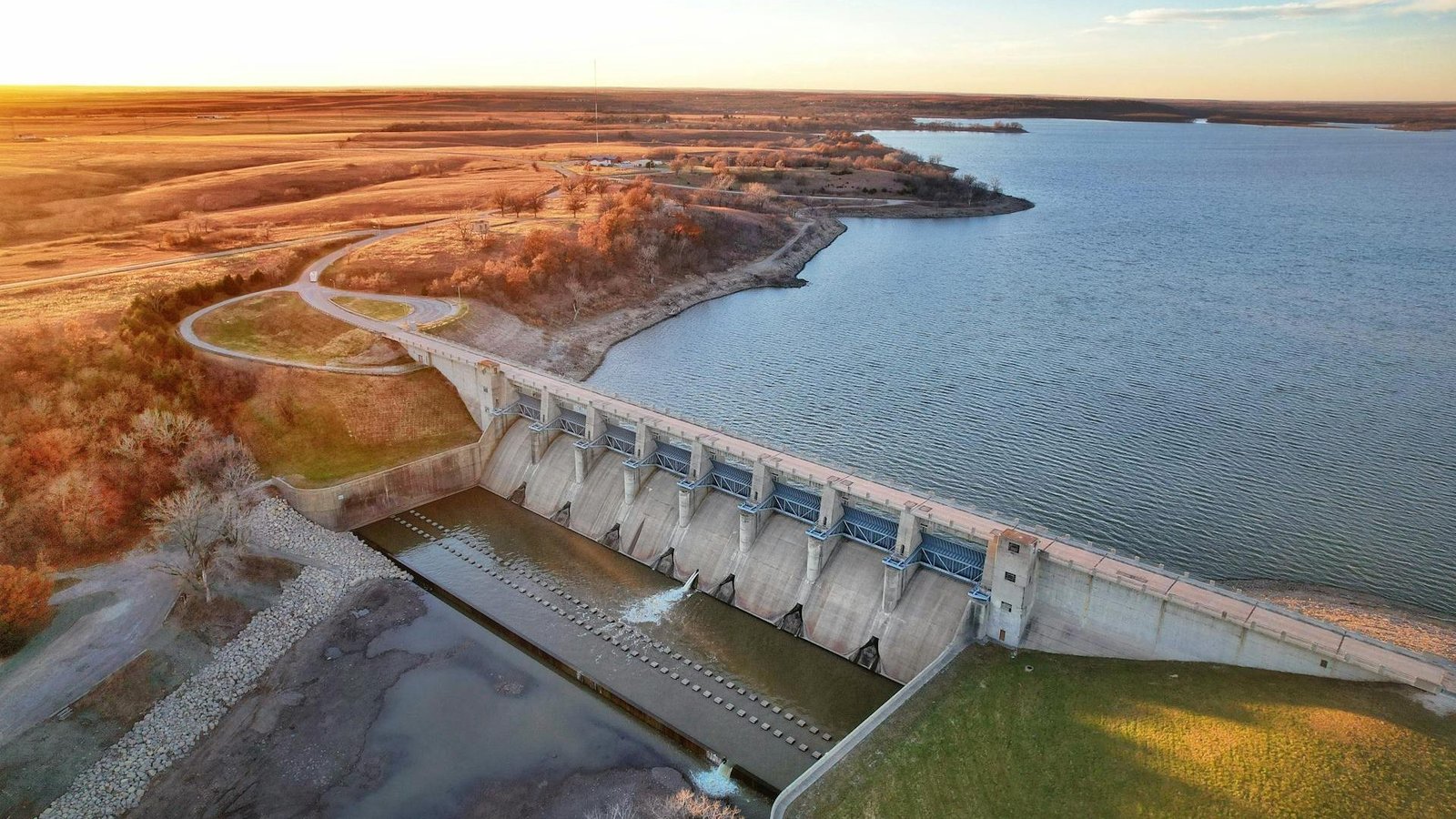
Kansas’s backflow prevention requirements are established under the Kansas Safe Drinking Water Act and administered by the Kansas Department of Health and Environment (KDHE). KDHE holds EPA primacy under the federal Safe Drinking Water Act and requires all public water systems to implement cross-connection control programs. The Kansas State Plumbing Board oversees licensed contractor conduct and installation standards under the Kansas Plumbing Code, which is based on the International Plumbing Code (IPC) with Kansas amendments.
Kansas requires that all backflow prevention device testing be performed by testers certified by KDHE through KDHE-recognized training providers. The standard credential involves completing an accredited training course recognized by KDHE. After training, testers must contact their specific water utility (such as Wichita Public Works) to become registered and authorized to submit test results in that utility’s service territory. Recertification is typically required every three years.
At the municipal level, Kansas cities implement their cross-connection control programs through local ordinances. These ordinances define the types of assemblies required, testing frequency, tester requirements, and enforcement mechanisms including water service termination. Topeka’s Municipal Code Chapter 14.35 Article III is one of the most detailed published Kansas local ordinances, defining terms by reference to the Louisiana State Plumbing Code 2000 edition and USC Manual, and requiring USC-FCCCHR or ASSE approved assemblies.
Kansas Plumbing Code — IPC Based
Kansas’s plumbing code governs backflow prevention installation at the building level. Cross-connection control requirements apply to all plumbing systems where a connection between a potable water supply and a non-potable source exists. The code requires air gaps or approved mechanical backflow prevention assemblies at cross-connection points. RPZ assemblies are required in high-hazard applications.
Wichita's Unique 5-Year Rebuild Requirement
The City of Wichita requires not only annual testing but also a complete rebuild of all backflow prevention devices every 5 years. This rebuild requirement — uncommon among major U.S. utilities — goes beyond standard annual testing compliance and requires property owners to budget for periodic full disassembly, component replacement, and retesting of their assemblies regardless of test results. Plan for the rebuild schedule as part of your long-term compliance budget.
Major Water Purveyors in Kansas
Wichita Public Works and Utilities
Wichita is Kansas’s largest city, and its Public Works and Utilities department operates one of the state’s most detailed cross-connection control programs. Wichita’s program is mandated by the Federal Safe Drinking Water Act and the KDHE, implemented through a city ordinance that all water customers must comply with. Annual testing is required for all backflow devices, with results submitted to the Wichita Cross Connection Program portal within 10 to 14 days of the test. Irrigation backflow device testing is due in the spring each year, with all irrigation devices required to be tested by late May.
Wichita’s distinctive rebuild requirement mandates that all backflow devices be rebuilt every 5 years, regardless of test performance. Testers filing with Wichita must be certified by KDHE and registered separately with the Wichita Cross Connection Program. The Backflow Prevention Program Portal allows testers to print test forms, enter test results, and register newly installed devices. Non-compliance can result in civil penalties including fines and water service disconnection for commercial customers where disconnection is not possible.
WaterOne (Johnson County, Kansas)
WaterOne serves Johnson County in the Kansas City metro area, providing water to approximately 400,000 customers in Overland Park, Lenexa, Shawnee, Leawood, Olathe, and other Johnson County communities. WaterOne’s commercial cross-connection control program requires installation of Backflow Prevention Assemblies (BPAs) on specific connection types, testing by certified testers, and submission of completed test reports to WaterOne. Annual testing is standard, with results submitted online through WaterOne’s platform. WaterOne staff review existing and proposed connections for cross-connection hazards.
City of Topeka
Topeka’s Municipal Code Chapter 14.35, Article III establishes detailed cross-connection control requirements. The code defines a ‘certified backflow tester/repair technician’ as an individual who has completed an accredited training session recognized by KDHE and the Backflow and Cross Connection Enforcement Official. The Development Services Division licenses tester/repair technicians. Topeka requires USC Manual or USEPA Manual approved assemblies and references the Louisiana State Plumbing Code 2000 edition assembly approval tables for specific applications. An approved assembly must contain two shut-off valves and one to four test ports. Dual check valves without test ports are not approved as backflow prevention devices in Topeka.
Kansas City, Kansas Water District and Other Northeast Kansas
The Kansas City, Kansas area is served by the Kansas City, Kansas Water District and the Kansas City, Missouri Water Services Department (for properties in Missouri portions of the metro). The Kansas City area’s cross-connection control programs are closely coordinated given the multi-state nature of the metro area. Annual testing by KDHE-certified testers is required.
Manhattan, Salina, and Western Kansas
Manhattan, Emporia, Salina, Hays, Dodge City, and Garden City each operate municipal water systems with cross-connection control programs aligned with KDHE requirements. Annual testing is standard. Each city should be contacted directly for their specific tester approval requirements and test report filing procedures.
Wichita's Split Testing Calendar
Wichita’s cross-connection control program segments testing by device type and service purpose: all irrigation backflow devices must be tested in spring with a late May deadline, while non-irrigation commercial and industrial devices follow different scheduling. Property managers with both irrigation and non-irrigation assemblies in Wichita must track two separate annual deadlines, not one. Confirm the current year’s specific due dates with the Wichita Public Works Cross Connection program at the start of each calendar year.
Property Owner Compliance Summary for Kansas
Annual testing: Testing by KDHE-recognized certified tester registered with your specific utility.
Wichita rebuild: Full assembly rebuild required every 5 years (in addition to annual testing).
Filing: Wichita submit through the Backflow Prevention Program Portal within 10-14 days. WaterOne: online submission. Other utilities: confirm specific submission method.
Assembly type: USC-FCCCHR or ASSE approved assemblies required. Dual check valves without test ports are not approved backflow prevention assemblies in Kansas.
Records: Maintain all test reports and rebuild documentation.
Find a Certified Backflow Tester in Kansas
Find KDHE-certified, utility-registered backflow testers at getyourbackflowtested.com/backflow-testing-near-me/kansas-backflow-testing — covering Wichita, Kansas City/Johnson County, Topeka, and all major Kansas markets.
Kansas Regulatory Reference Links
| Resource / Agency | URL / Link Target |
|---|---|
KDHE — Safe Drinking Water Program | |
City of Wichita — Backflow-Cross Connection Control | |
WaterOne — Commercial Backflow Requirements | |
Topeka Municipal Code Chapter 14.35 Article III — Cross-Connection Control | |
Kansas Plumbing Heating Cooling Contractors Association — Backflow Class |