
Backflow Laws: Florida
Florida Backflow Prevention Laws, Regulations, and Compliance Requirements
Florida's backflow prevention requirements are established in Florida Administrative Code Rule 62-555.360 — Cross-Connection Control for Public Water Systems — administered by the Florida Department of Environmental Protection (FDEP). Florida requires every community water system to implement a cross-connection control program, mandates site surveys every five years, requires an annual report to FDEP, and — for residential irrigation systems — specifically allows biennial testing in many markets. This guide covers the full Florida regulatory framework and major utility programs for Miami-Dade, Broward, Palm Beach, Orlando, Tampa, Jacksonville, Fort Lauderdale, and other key markets.
Florida State Regulatory Framework
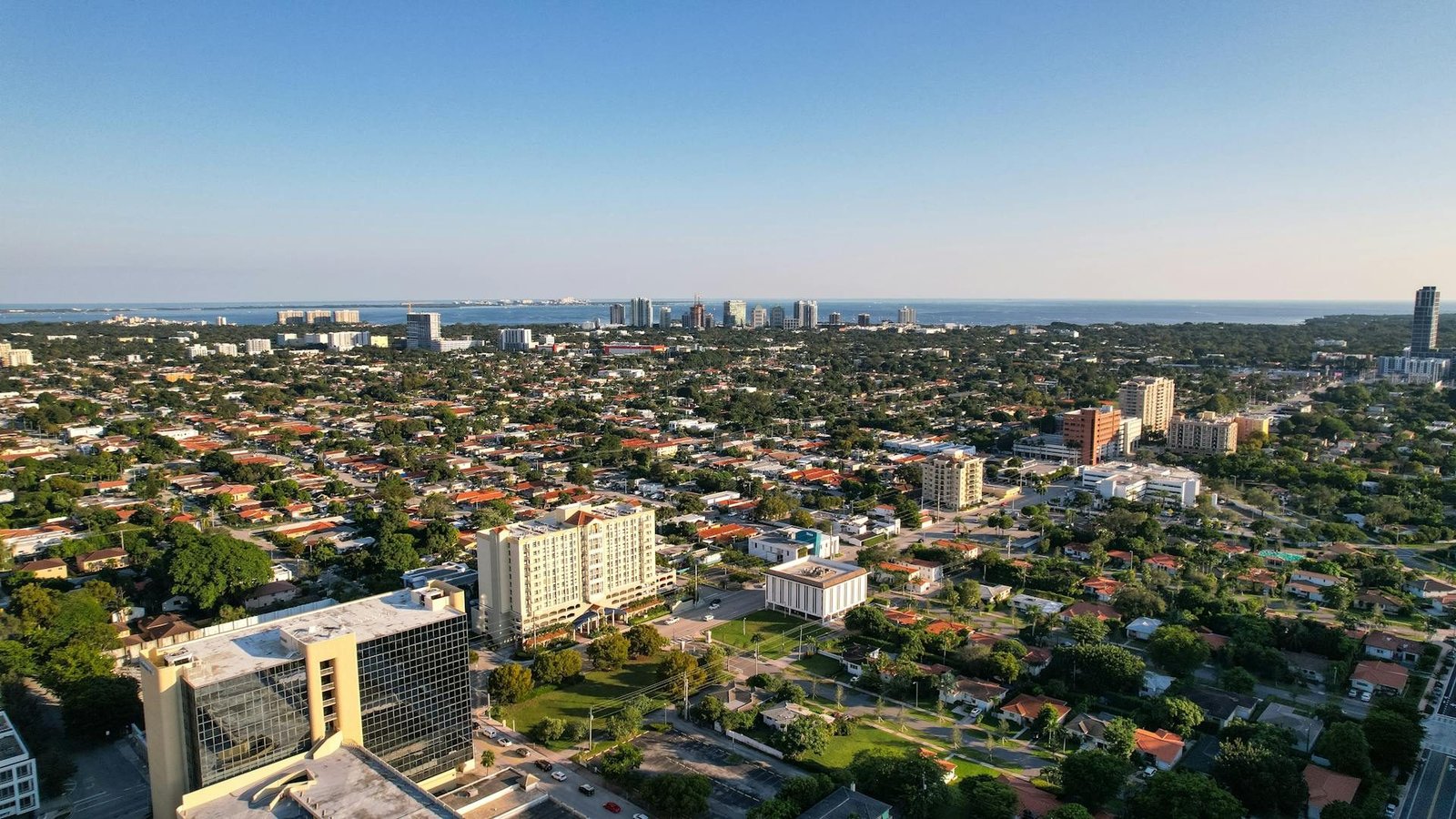
Florida’s cross-connection control requirements are codified in Florida Administrative Code Rule 62-555.360 and Rule 62-555.335, administered by the FDEP. Florida holds EPA primacy under the federal Safe Drinking Water Act. Rule 62-555.360 establishes that cross-connections, as defined in Rule 62-550.200, are prohibited unless appropriate backflow protection is provided. Every community water system (CWS) in Florida must establish and implement a written cross-connection control program based on recommended practices in AWWA Manual M14 (Third Edition).
Key elements that Florida’s written cross-connection control plan must include (per Table 62-555.360-1): the basis for requiring backflow protection at service connections, a procedure for surveying customer premises, a description of acceptable types of backflow protection for each hazard category, a procedure for requiring installation of backflow protection, a testing and maintenance schedule, a procedure for keeping backflow protection records, and an enforcement procedure.
Florida also requires that surveys of customer premises be conducted at least every five years. Florida water systems must submit an annual report to FDEP documenting cross-connection control program activities — making Florida a high-regulation state with formal state-level annual reporting accountability.
Special Rule for Reclaimed Water Systems
Florida has a specific reclaimed water cross-connection control program operating under Florida Administrative Code Chapter 62-610. Part III of Chapter 62-610 governs public access reuse systems (irrigation of golf courses, residential areas, parks, school grounds, and edible crops). Utilities serving customers with reclaimed water systems must maintain a cross-connection control program specifically addressing the prohibition of cross-connections between reclaimed water and potable water systems. Any premises with both potable and reclaimed water connections must implement strict isolation.
Assembly Requirements Under Rule 62-555.360
Florida Rule 62-555.360 establishes through Table 62-555.360-2 the categories of customer premises requiring backflow protection at the service connection. These include: dedicated fire protection systems; irrigation piping systems; premises with auxiliary or reclaimed water systems; industrial, medical, laboratory, marine, or other facilities handling objectionable substances; premises exempt from the State Plumbing Code; and premises where internal backflow preventers are not properly installed or maintained.
Florida prohibits cross-connections between a public water system and any wastewater system or reclaimed water system (air gap required). Exception: if the supplier provides an alternative protection achieving equivalent reliability — such as two biannually-tested reduced pressure principle assemblies in series. A single annually-tested mechanical backflow preventer alone is never acceptable protection against backflow of wastewater or reclaimed water into a public water system.
Biennial Testing for Residential Irrigation — A Florida Distinction
Florida is one of the few states that has established biennial (every two years) testing frequency for some assembly types in residential applications. In Fort Lauderdale, for example, commercial irrigation backflow testing is required annually, while residential irrigation backflow testing frequency is every two years (biennially). This biennial option for residential irrigation is available in many Florida utility service areas, though individual utilities may choose to require annual testing instead. Always confirm your specific utility’s testing frequency — do not assume biennial applies without utility confirmation.
Florida Tester Certification
Florida does not administer its own statewide backflow tester certification. Tester credentials are set by local jurisdictions and water utilities. The University of Florida TREEO Center is the only training provider endorsed by the Florida Section of AWWA (FSAWWA) — it is widely used across Florida utilities. Other recognized credentials include ABPA and ASSE certifications. Utilities maintain their own approved tester lists; testers must confirm they are approved by each specific utility for which they file test reports.
Florida's BSI Online Deployment Is Widespread
Many Florida water utilities, including Fort Lauderdale, have contracted with Backflow Solutions Inc. (BSI Online) to administer their compliance tracking and reporting. Property owners in BSI-administered utility areas receive notices from BSI and must submit test results through bsionline.com. Testers must also be registered in the BSI system for their reports to be accepted. Always confirm whether your Florida utility uses BSI or a different platform before scheduling a test.
Major Water Purveyors in Florida
Miami-Dade Water and Sewer Department (WASD)
Miami-Dade WASD is one of Florida’s largest water utilities, serving approximately 2.4 million people in Miami-Dade County. WASD’s cross-connection control program is aligned with Rule 62-555.360 and includes mandatory backflow prevention at all service connections where hazards have been identified. WASD administers its own approved tester program. Annual testing is required for most commercial assemblies. Residential irrigation testing frequency varies — confirm with WASD directly.
Broward County Water and Wastewater Services and Cities
Broward County is served by a combination of municipal utilities (Fort Lauderdale, Hollywood, Deerfield Beach, Pembroke Pines, Coral Springs, etc.) and Broward County Water and Wastewater Services. Fort Lauderdale has contracted with BSI Online for compliance management — test results must be submitted through bsionline.com. Commercial irrigation testing is annual; residential irrigation is biennial under Fort Lauderdale’s program.
Palm Beach County Water Utilities and Municipalities
Palm Beach County is served by Palm Beach County Water Utilities Department and numerous municipal utilities. Each operates a FDEP-compliant cross-connection control program with annual or biennial testing as applicable. The county’s large retirement and resort community creates significant irrigation and fire protection backflow compliance activity.
City of Orlando Utilities Commission (OUC) and Orange County
OUC and Orange County Utilities serve the Orlando metropolitan area. Both operate FDEP-aligned cross-connection control programs. The high concentration of commercial, hospitality, and amusement park facilities (Walt Disney World, Universal, SeaWorld, and supporting infrastructure) creates substantial high-hazard backflow compliance activity in the Orlando area.
Tampa Bay Water and Hillsborough County
Tampa Bay Water is the regional wholesale water supplier, with distribution handled by Hillsborough County Water Resources and the City of Tampa. Both operate cross-connection control programs aligned with Rule 62-555.360. Annual testing is required for high-hazard commercial and industrial connections.
City of Jacksonville (JEA)
JEA (Jacksonville Electric Authority) serves Northeast Florida including Jacksonville, the largest city by area in the continental U.S. JEA’s cross-connection control program covers a large and geographically dispersed service area. Annual testing is required for covered assemblies. JEA administers its own approved tester program.
Florida Governmental Utility Authority (FGUA)
FGUA serves multiple Florida communities across several counties. FGUA’s cross-connection control program requires RPZ or DCDA assemblies based on hazard assessment, with all fire protection service lines required to have an approved double check detector assembly (DCDA). Annual certification is required, with completed forms submitted to FGUA. New fire service connections require hazard analysis surveys before activation.
Sarasota County Public Utilities
Sarasota County requires all non-residential customers to maintain maximum protection (backflow prevention assembly) at the water meter. Premises with wells, separate irrigation systems, or auxiliary water sources require backflow prevention at the meter. Residential customers with irrigation systems connected to private plumbing must comply with Florida Building Code requirements for internal backflow prevention. Annual testing is required; customers should keep all maintenance records.
Tallahassee Utilities
The City of Tallahassee’s utility operates a registered tester/testing company system with specific registration and equipment calibration requirements. All assemblies must be registered with Tallahassee Utilities. The city offers a coordinated testing program for certain assembly types.
Florida's 2014 Rule Change Created Broad New Requirements
Florida Administrative Code Chapter 62 underwent significant changes on May 5, 2014, substantially expanding which commercial businesses, dedicated residential and commercial irrigation systems, fire services, and cooling towers must have approved testable backflow prevention devices. Properties with existing connections must comply regardless of installation date — there is no grandfathering for pre-2014 installations. Many Florida municipalities codified local ordinances in 2014-2015 to implement the new state standards. Properties in compliance before 2014 may still require assembly retrofits under the expanded post-2014 requirements.
Property Owner Compliance Summary for Florida
Written plan: Your utility maintains the FDEP-compliant plan; your compliance feeds it.
5-year survey: Utilities must survey your premises at least every 5 years to assess cross-connection hazards.
Testing: Annual for commercial and high-hazard. Residential irrigation: annually or biennially depending on utility (confirm with your utility).
Filing: Through your utility’s designated platform (BSI Online for many Florida utilities, or direct submission).
Reclaimed water: If you have reclaimed water, maintain strict separation from potable systems.
Annual FDEP report: Your utility files the annual report; your test records feed it.
Find a Certified Backflow Tester in Florida
Find University of Florida TREEO Center-certified or ABPA/ASSE-certified testers approved by Florida’s major utilities at getyourbackflowtested.com/backflow-testing-near-me/florida-backflow-testing — covering Miami, Fort Lauderdale, Orlando, Tampa, Jacksonville, and all major Florida markets.
Florida Regulatory Reference Links
| Resource / Agency | URL / Link Target |
|---|---|
FDEP — Cross-Connection Control for Public Water Systems | |
Florida Administrative Code Rule 62-555.360 (LII) | |
Florida Administrative Code Chapter 62-610 — Reclaimed Water | |
University of Florida TREEO Center — Backflow Certification | |
City of Fort Lauderdale — Backflow and Cross-Connection Control | |
Sarasota County — Cross-Connection Control Program | |
City of Tallahassee — Backflow Prevention Rules and Regulations | |
BSI Online — Florida Backflow Compliance Portal |