Backflow Testing Near Me: Colorado
Backflow Testing in Colorado: Costs, Requirements & How to Find the Best Certified Testers
Colorado's January 2024 cross-connection control law update brought one of the most significant expansions of backflow prevention requirements in the state's history. Denver, Aurora, Colorado Springs, Fort Collins, Pueblo, Boulder, and hundreds of other Colorado water systems now operate under a more rigorous CDPHE-administered framework — and property owners who haven't updated their compliance approach since before 2024 need to act now.
Why Backflow Testing Matters in Colorado
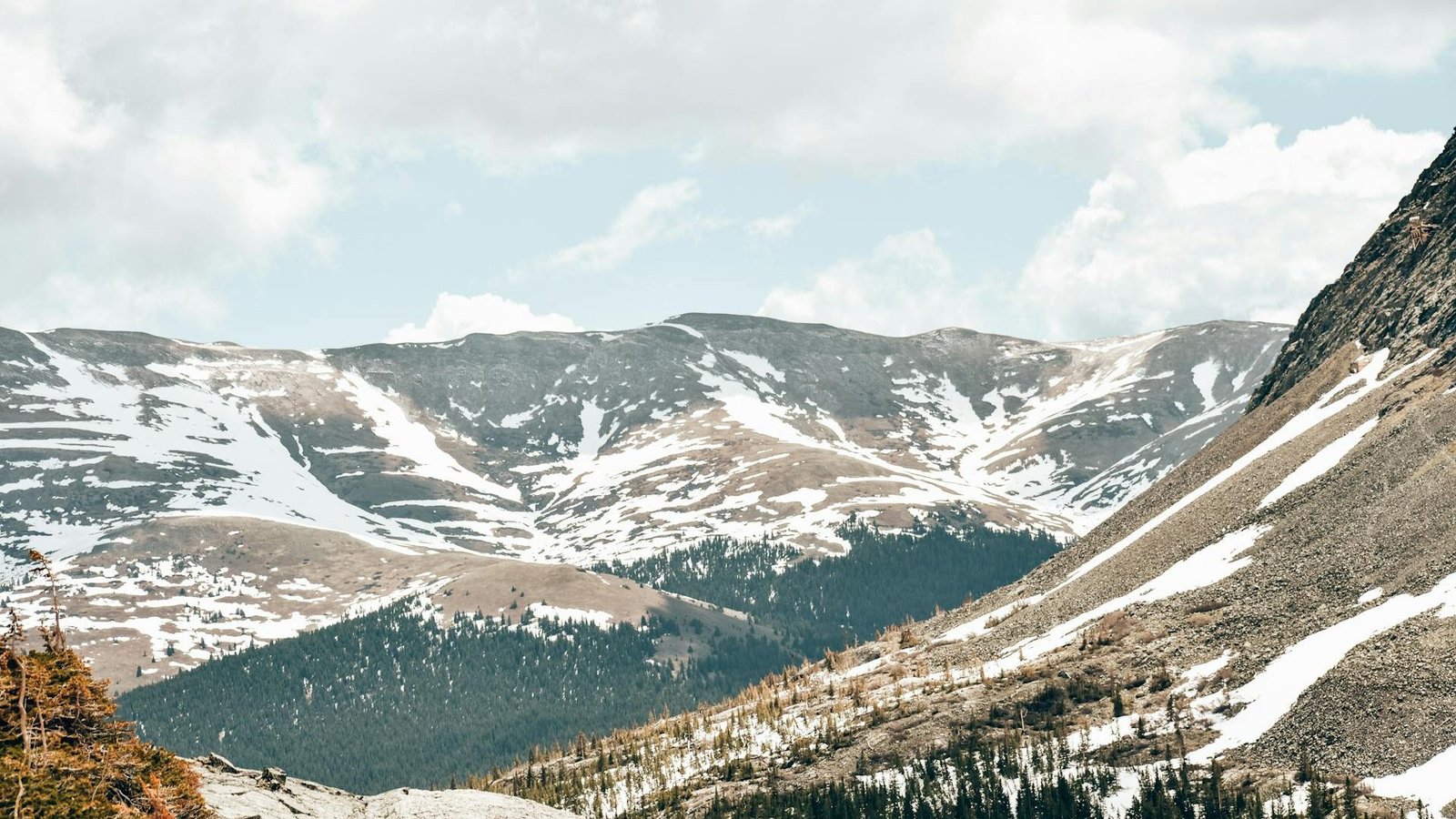
Colorado’s Front Range boom has added hundreds of thousands of new water connections in the Denver metro, Colorado Springs, and the I-25 corridor communities of Castle Rock, Parker, Monument, and Thornton. Each new connection potentially represents a cross-connection risk. The Colorado Department of Public Health and Environment (CDPHE), Division of Environmental Health and Sustainability, updated Colorado’s cross-connection control requirements effective January 1, 2024, requiring expanded cross-connection control plans, regular surveys of non-single-family residential service connections, and submission of an annual report to CDPHE. Denver Water, Aurora Water, Colorado Springs Utilities, Fort Collins Utilities, Pueblo Water, and every other Colorado water system must now implement programs meeting the new 2024 standard. Colorado’s mountain resort communities — Vail, Aspen, Breckenridge, Steamboat Springs, Telluride — have complex water systems with boilers and snowmelt systems creating unique cross-connection risks.
Colorado Backflow Testing Law — The Plain-Language Version
Colorado requires CDPHE-recognized tester certification. The 2024 update requires a comprehensive cross-connection control plan for water systems, regular surveys of non-SFR connections, and annual CDPHE reporting. Annual testing by certified testers is required for all testable assemblies. USC-FCCCHR assemblies. Individual utilities — Denver Water, Aurora Water, CSU, Fort Collins — each have their own submission platforms and tester registration requirements.
Full Colorado Backflow Law Details
Complete regulatory breakdown, certified tester requirements, and utility-specific programs: getyourbackflowtested.com/backflow-laws/colorado-backflow-prevention-laws
How Much Does Backflow Testing Cost in Colorado?
Denver metro (Denver Water, Aurora Water, Westminster, Thornton, Arvada, Lakewood): $60 – $140 per assembly. One of Colorado’s most competitive testing markets.
Colorado Springs Utilities service area: $60 – $130 per assembly.
Fort Collins, Greeley, Loveland, Longmont: $65 – $135 per assembly.
Boulder and surrounding area: $70 – $145 per assembly.
Mountain resort communities (Vail, Aspen, Breckenridge, Summit County): $90 – $200 per assembly; higher due to limited tester availability and travel.
Pueblo and Southern Colorado: $60 – $120 per assembly.
How Long Does Colorado Backflow Testing Take?
Standard tests run 20 to 40 minutes per assembly. Denver metro residential properties: 45 to 75 minutes total appointment. Colorado mountain resort properties with complex boiler and snowmelt systems: allow 2 to 4 hours. Winter scheduling note: Colorado’s cold winters mean above-grade assemblies must be protected from freezing, and some testers will not test exposed assemblies when temperatures are below 32°F. Schedule fall testing before the freeze season to avoid compliance issues.
What to Expect on Test Day
Your certified tester will arrive, locate your backflow assembly (typically near the water meter or at the service entrance), connect calibrated differential pressure test equipment to the assembly’s test cocks, and run the protocol required for your assembly type. Water is off during the test — typically 15 to 30 minutes. You’ll receive a signed test report on the spot. If the assembly passes, the tester files results with your water utility. If it fails, the tester identifies the fault and either repairs on the spot or schedules a return for repair and retest within the required compliance window. Ask your tester to confirm they have filed your results with your utility before they leave the property.
How We Vet Colorado Backflow Testers — Our Selection Criteria
Every tester listed in our Colorado city pages meets all of the following requirements before inclusion:
CDPHE-recognized certification: Current credential verified.
Utility registration: Registered with Denver Water, Aurora Water, CSU, Fort Collins, or the specific CO utility.
2024 CDPHE update compliance: Confirmed current with 2024 cross-connection control requirements.
Mountain/resort experience: For Summit, Eagle, Pitkin, and Routt County listings, we verify boiler and snowmelt system experience.
Calibrated equipment + insurance: Standard requirements verified.
Colorado Cities and Areas We Cover
Denver metro: Denver, Aurora, Lakewood, Thornton, Arvada, Westminster, Broomfield, Commerce City, Englewood, Littleton, Centennial, Parker, Castle Rock, Highlands Ranch, and Boulder County. Colorado Springs, Pueblo, and Southern Colorado. Fort Collins, Greeley, Loveland, Longmont, Windsor. Mountain communities: Vail, Aspen, Breckenridge, Steamboat Springs, Durango, Grand Junction, Telluride, Glenwood Springs.
Find a Certified Colorado Backflow Tester Near You
Browse our vetted Colorado backflow tester directory at getyourbackflowtested.com/backflow-testing-near-me/colorado-backflow-testing
getyourbackflowtested.com | Backflow Testing in Colorado