
How to Protect Your Backflow Preventer from Freezing: A Complete Winter Preparation Guide
A frozen backflow preventer is not just an inconvenience — it is a compliance failure and a repair bill that arrives at the worst possible time. This guide covers every protection option, step-by-step winterization procedures by device type, and what to do if freeze damage has already happened.
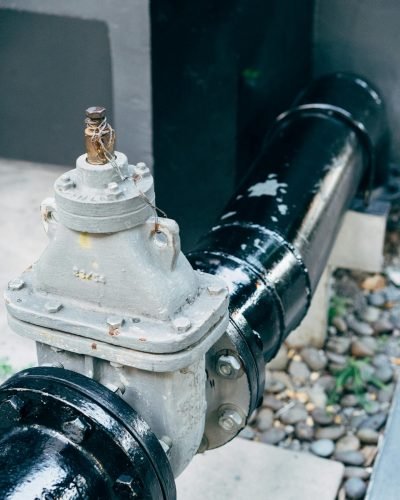
Every spring, backflow technicians across the country encounter the same scene: a cracked assembly that did fine for years, destroyed by a single hard freeze the previous November. The owner did not winterize it. Or they partially winterized it. Or they assumed that because they live in Texas, or Georgia, or Arizona, it would never get cold enough to matter.
They were wrong, and the repair bill was significant. A standard residential backflow preventer cracked by freezing typically costs $350 to $750 to replace installed. A commercial RPZ assembly on a domestic service line — the kind that serves an entire building — runs $800 to $2,500 or more. None of that spending is necessary. Freeze damage is almost entirely preventable with a modest investment in the right protection method, applied at the right time.
This guide covers everything you need to know: why freezing destroys backflow preventers, which device types are most vulnerable, the full range of protection methods and when each is appropriate, step-by-step winterization procedures for PVB, RPZ, and DCVA assemblies, what to do if you discover a device is already frozen, and how spring startup should be handled to confirm protection was effective.
Why Freezing Destroys Backflow Preventers
The physics are simple and unforgiving. Water expands by approximately nine percent when it freezes. Inside the confined brass or bronze cavities of a backflow preventer — spaces sized precisely for the components they contain — that expansion generates pressures that can exceed 2,000 pounds per square inch. Brass is strong, but it is not that strong.
What makes backflow preventers specifically vulnerable, compared to most other plumbing components, is that they retain water inside their valve bodies even when the supply is shut off. A pipe that is upstream of a closed ball valve is empty on the supply side. The internal cavity of a backflow assembly is not — water is trapped between and around the check valves and relief valve components regardless of valve position. That trapped water has nowhere to go when it freezes. The result is cracking, typically along the relief valve port area on RPZ assemblies, across the bonnet housing on PVB assemblies, or through the internal cavity walls on DCVA assemblies.
The damage is not always visible immediately. A hairline crack in a DCVA body, for example, may not produce obvious external leakage until supply pressure is restored in the spring. In the meantime, the device provides zero backflow protection while appearing fully intact. This hidden failure mode is one of the reasons spring startup inspection is not optional even when a device appears undamaged.
This Is Not Just a Northern Problem
Recent severe freeze events in Texas (February 2021), Florida, and Arizona demonstrated that devices in mild-climate states are often the most vulnerable — precisely because they were never protected. A device that survives twenty Minnesota winters with a heated enclosure is safer than an unprotected device in Georgia that faces a single overnight freeze. The physics are the same everywhere.
Which Devices Are Most Vulnerable
Not all backflow assembly types carry equal freeze risk. Understanding which type you have — and what its specific vulnerabilities are — is the starting point for choosing the right protection approach.
Pressure Vacuum Breakers (PVB)
PVBs are among the most freeze-vulnerable assemblies because they are almost universally installed above ground, exposed to ambient temperatures, and because their internal design includes a bonnet and poppet assembly at the top of the device that is particularly susceptible to ice pressure. The bonnet — the domed cap at the top of the assembly — is designed to relieve internal pressure in normal operation, but it is not designed to withstand the forces generated by expanding ice. PVB bonnet fractures are the single most common freeze damage scenario in residential irrigation systems.
A PVB that is properly winterized — supply shut off, test cocks opened to allow the remaining water to drain, valve handles set to 45 degrees — is substantially more resistant to freeze damage even without additional insulation, because the water has been removed from the cavity. The critical mistake that causes most PVB freeze damage is closing the downstream ball valve without first opening the test cocks: this traps water in the body with nowhere to drain, maximizing freeze risk rather than reducing it.
Reduced Pressure Zone Assemblies (RPZ)
RPZ assemblies are mechanically robust but carry a specific vulnerability: the relief valve discharge port must remain clear at all times, which means RPZ assemblies cannot be sealed or wrapped in a way that blocks this port. Wrapping an RPZ tightly in insulation without leaving the discharge port open can cause relief valve malfunction in addition to the standard freeze risk.
The relief valve on an RPZ assembly also creates a unique winterization challenge: the chamber between the two check valves retains water regardless of valve position. Complete drainage of an RPZ requires opening test cocks and allowing the intermediate zone to drain, which requires the correct sequence and some patience. An improperly drained RPZ is highly vulnerable to internal cracking that produces no external evidence until supply pressure is restored.
Double Check Valve Assemblies (DCVA)
DCVAs installed below grade in proper irrigation valve boxes with adequate drainage are the least freeze-vulnerable assembly type because the earth provides significant thermal mass that buffers against air temperature changes. However, above-grade DCVA installations — which are required in some configurations — face the same exposure risks as PVBs and RPZs. Even below-grade DCVAs can freeze during extended severe cold events if the valve box does not drain properly and fills with water that then freezes around the device.
Protection Methods: A Complete Comparison
There is no single correct protection method for all backflow assemblies in all climates. The right approach depends on your climate, the assembly type, the installation configuration, and how much ongoing maintenance you are willing to perform each season. The following table summarizes the main options:
| Method | Best For | Temperature Range | Approx. Cost | Limitations |
|---|---|---|---|---|
Insulated foam cover / pouch |
Mild winters, brief cold snaps |
Down to ~20°F |
$25–$75 |
Not reliable for sustained deep freezes |
Foam pipe insulation + tape |
Supplemental protection on supply pipes |
Down to ~25°F |
$10–$30 |
Must cover entire device, not just pipes |
Self-regulating heat tape |
Above-ground installs in moderate-cold climates |
Down to 0°F with insulation overlay |
$60–$150 installed |
Requires electrical outlet; not all installations allow it |
Heated aluminum enclosure (ASSE 1060 Class I) |
Severe winters, commercial, permanent installs |
Down to -30°F |
$300–$800 installed |
Higher upfront cost; requires power |
Complete seasonal draining (winterization) |
Irrigation systems in cold climates |
Any temperature |
$0 DIY / $75–$150 professional |
Requires correct procedure; labor each season |
Remove and store indoors |
Small assemblies in extreme climates |
Any temperature |
$0 (labor only) |
Only practical for easily disconnected devices |
Step-by-Step Winterization by Device Type
Winterization — the process of draining water from the device before freezing temperatures arrive — is the most reliable, lowest-cost freeze protection method for irrigation system backflow preventers in cold climates. The procedure varies by device type and must be performed correctly to be effective.
Winterizing a Pressure Vacuum Breaker (PVB)
The PVB winterization procedure takes approximately two to five minutes and requires only a flat-head screwdriver. Perform it before the first anticipated hard freeze in your area.
Locate and close the upstream isolation valve (the supply-side valve that feeds the backflow preventer). This is typically a ball valve in a green box near the water meter or at the base of the assembly. Turn it 90 degrees until the handle is perpendicular to the pipe — this is the closed position.
Confirm the downstream ball valve (between the backflow preventer and the irrigation system) is open. This is a critical step that many homeowners get wrong: the downstream valve must be open, not closed. A closed downstream valve traps water inside the assembly body with no path to drain.
Using a flat-head screwdriver, open both test cocks (the small screws on the side of the assembly body) by turning them approximately one quarter turn. Water will briefly drain out — this is expected and normal. The test cocks should remain in the open (45-degree) position throughout winter.
Set both ball valve handles to the 45-degree position. This is not fully open or fully closed — it is the diagonal position that leaves a small gap for any remaining water to drain or expand without fracturing the valve body.
Wrap the assembly with foam pipe insulation, an insulated pouch, or similar weatherproof material. Do not use plastic bags, which trap moisture. In moderate climates this insulation layer is sufficient. In climates with sustained temperatures below 20°F, consider a heated enclosure or removal and indoor storage.
The Valve Position Most People Get Wrong
The most common PVB winterization mistake is closing both ball valves with the test cocks closed. This traps water inside the body under static pressure, with no expansion path — maximizing the risk of cracking. The correct position leaves the downstream valve open and the test cocks in the 45-degree (open) position, allowing drainage and expansion room.
Winterizing an RPZ Assembly
RPZ winterization is more involved than PVB winterization because of the intermediate zone between the two check valves and the relief valve discharge requirements. In severe winter climates, RPZ assemblies should ideally be either protected with a heated enclosure (the preferred permanent solution) or removed and stored indoors. For moderate climates, proper drainage plus insulation is generally sufficient.
Close the upstream shutoff valve on the inlet side of the assembly.
Slowly open test cock #2 (the first test cock after the inlet check valve) using a flat-head screwdriver. Allow water to drain from the intermediate zone. This step is essential and often skipped in incomplete winterizations.
Open test cock #3 (the second test cock after the intermediate zone). Allow full drainage.
Open test cocks #1 and #4 as well, allowing any remaining water in the inlet and outlet sections to drain.
Set both main shutoff valve handles to the 45-degree position.
Leave all test cocks in the open position throughout winter.
For the insulation layer: wrap all exposed supply and discharge piping with foam insulation. The relief valve port (the center discharge opening pointing downward) must remain unobstructed. An open-bottom insulated pouch sized for the specific assembly model keeps the body warm while leaving the discharge path clear. For climates with sustained temperatures below 25°F, a heated enclosure is the appropriate solution.
Winterizing a DCVA
For above-grade DCVA installations, the procedure is similar to the PVB procedure: close the upstream isolation valve, open the test cocks to drain the internal chambers, set both shutoff handles to 45 degrees, leave test cocks open throughout winter, and apply foam insulation wrap around the body and exposed piping.
For below-grade DCVA installations in irrigation valve boxes, inspect the vault drainage before winter. If the vault retains standing water — due to poor drainage, clay soil, or debris blocking drain holes — water surrounding the device can freeze and crack it even if the internal chambers have been properly drained. Clear the vault drain opening of debris and confirm that water does not accumulate in the box during heavy rain events. A box that drains freely is adequate freeze protection for most below-grade DCVA installations in moderate climates.
Permanent Protection: Heated Enclosures
For commercial properties, properties in severe winter climates, or any property where the annual ritual of seasonal drain-and-insulate feels like an unacceptable risk, a permanently installed heated enclosure is the definitive solution. These enclosures maintain the interior temperature above freezing regardless of external conditions, eliminating freeze risk entirely without any seasonal maintenance.
ASSE 1060 Class I-certified enclosures are the recognized standard for backflow preventer freeze protection. Class I enclosures are rated to maintain a minimum internal temperature of 40°F when external temperatures drop as low as -30°F. Manufacturers including Safe-T-Cover, Watts, and Ames produce ASSE 1060-certified enclosures in aluminum, fiberglass, and polycarbonate configurations for standard residential and commercial assembly sizes.
Key features to look for in a heated enclosure include a thermostatically controlled heating element (which activates only when the interior temperature drops near freezing, minimizing electricity consumption), a locking mechanism for security (backflow assemblies in outdoor enclosures are targets for copper and brass theft in some markets), adequate clearance for the assembly and all attached piping, and access panels that allow a certified tester to attach test equipment and operate shutoff valves without removing the enclosure.
Installed costs for residential-scale heated enclosures typically range from $300 to $600. Commercial-scale enclosures for larger RPZ assemblies run $500 to $1,200 or more. The annual electricity cost for a thermostatically controlled heated enclosure is modest — typically $20 to $60 per winter season depending on climate and enclosure size. Measured against the cost of a single freeze damage replacement event, a heated enclosure typically pays for itself in the first year it prevents damage.
What to Do If Your Backflow Preventer Has Already Frozen
If you arrive at a property in winter and find a backflow preventer with ice visible on the exterior, water spraying from the relief valve or body, or a bonnet assembly that has separated from the device body, proceed carefully. Improper thawing can cause additional damage.
Safe Thawing
Never attempt to thaw a frozen backflow preventer with an open flame, a heat gun set to high, or any application of rapid direct heat. The brass body of a frozen assembly is under significant internal ice pressure. Rapid heating causes uneven thermal expansion that can crack the body further, split threaded fittings, or in extreme cases cause components to fail suddenly under pressure.
The correct thawing approach is slow, ambient warming. Options include: wrapping the device in thick towels or moving blankets and allowing it to thaw naturally as ambient temperature rises; directing a space heater to warm the surrounding air without aiming heat directly at the device body; or applying warm (not hot) wet rags to the assembly body and replacing them as they cool. The goal is gradual, uniform warming that allows ice to melt without creating internal pressure spikes.
Inspection After Thawing
Once the device has thawed, perform a thorough visual inspection before restoring supply pressure. Look for visible cracks along the body, around test cock fittings, at threaded connections, and around the relief valve port area. Check for distortion or shifting of components that were previously aligned.
If the device appears visually intact, restore supply pressure slowly by cracking the upstream isolation valve slightly rather than opening it fully. Watch for leaks at all fittings and from the relief valve discharge port. A relief valve that runs continuously after thawing indicates that an internal check valve has been damaged and is no longer holding differential — the device has likely failed and requires replacement even if the body shows no visible cracking.
If you find any visible cracking, do not restore pressure. A cracked body will not hold pressure and may fail catastrophically when supply is restored. Call a certified plumber or backflow technician for assessment before proceeding.
Freeze Damage Is a Compliance Event, Not Just a Repair
A backflow preventer that was damaged by freezing — even one that appears to be functioning after thawing — must be inspected by a certified tester before it can be considered compliant. A device with internal ice damage may produce passing readings on a cold test kit but fail under actual backflow conditions. If your device experienced a freeze event, schedule a formal certified test before the spring compliance deadline — not after.
Spring Startup: Confirming Protection Was Effective
The spring irrigation system activation is the moment of truth for winter protection. Even a well-winterized device may have sustained damage from an unexpected mid-winter freeze, from wildlife interference with insulation, or from an installation problem that allowed water to accumulate in an area that should have drained. Spring startup inspection catches these problems before they become compliance failures or water damage events.
The startup sequence for a system with an above-grade backflow preventer should always begin at the backflow device before activating any irrigation zones:
Inspect the device body, test cocks, and fittings visually for any evidence of cracking, displacement, or corrosion that occurred over winter.
Confirm that all test cocks are in the open position before restoring supply, to allow any trapped air or residual water to escape.
Restore supply pressure slowly by cracking the upstream isolation valve a quarter turn and pausing for 30 seconds. Watch the entire assembly and all visible piping for leaks before opening the valve further.
Once supply is fully restored, observe the relief valve discharge port on RPZ assemblies for 60 seconds. Brief initial dripping as the system pressurizes is normal. Continuous discharge after the system has reached stable pressure is not normal and requires investigation.
Close test cocks and return valve handles to the normal service position before activating irrigation zones.
If spring activation reveals any damage — cracking, leaking, continuous relief valve discharge, or failure to hold pressure — stop, close the supply valve, and call a certified technician. Do not activate the irrigation system with a compromised backflow preventer in service.
For properties where the annual testing deadline falls in spring, coordinate the spring startup with the required annual backflow test. A single visit from a certified tester who performs both the startup inspection and the compliance test is more efficient and typically less expensive than two separate service calls.
The Cost Comparison: Protection vs. Damage
The financial case for freeze protection is straightforward. The following comparison illustrates the typical cost difference between prevention and repair for a standard residential irrigation system:
Basic insulated foam pouch (one-time purchase): $35–$65
Annual professional winterization service (irrigation system blow-out plus backflow protection): $75–$150
Self-regulating heat tape installed by a plumber: $100–$200 one-time
Heated aluminum enclosure installed: $300–$600 one-time
Bonnet and poppet replacement on a freeze-damaged PVB: $150–$300
Full PVB assembly replacement (freeze-cracked body): $350–$750 installed
Full RPZ assembly replacement (freeze-cracked body, commercial): $800–$2,500+ installed
Emergency service call premium (discovered during a hard freeze): add 50–100% to repair cost
At any level of climate severity, the prevention investment pays for itself after a single prevented freeze damage event — often with significant margin. For commercial properties with larger, more expensive assemblies, the calculus is even more compelling. An $800 heated enclosure that protects a $2,000 RPZ assembly pays for itself the first time it prevents a replacement.
Schedule Winterization Before You Need It
In most northern markets, backflow winterization services book up quickly in October and early November as property owners rush to protect systems before the first hard freeze forecast. Scheduling winterization services in September — before demand peaks — typically means lower pricing, better technician availability, and more time to address any device problems discovered during the service.
See also
Part of the Backflow Testing Complete Guide series | Find a certified tester at getyourbackflowtested.com