
Backflow News
University of North Texas Irrigation Backflow Failure Triggers Boil Water Advisory for Section of Denton
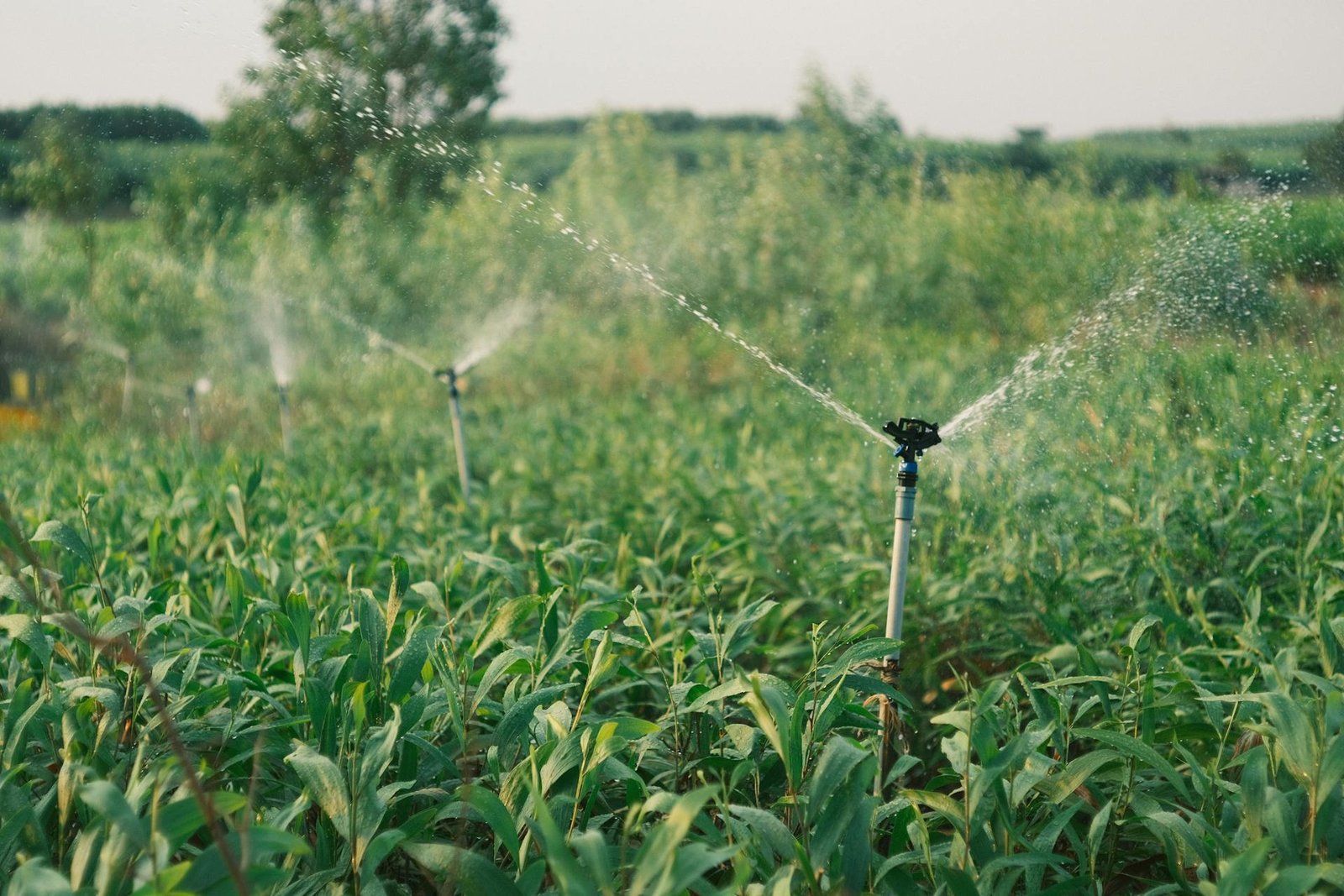
A backflow event at the University of North Texas campus triggered a boil water advisory for a section of Denton, Texas — one of the clearest recent examples of how an irrigation system cross-connection can directly compromise a public water supply in a matter of hours. The incident began when UNT staff reconnected an irrigation pump near Apogee Stadium and experienced a backflow event in the process. The source of the contamination was a stormwater pond adjacent to the irrigation system — a body of non-potable water that, through the cross-connection created when the irrigation pump was reconnected without proper backflow protection in place, was drawn into the water distribution system.
How the Incident Unfolded
UNT staff first reported the contamination to the City of Denton around 3:30 p.m. By 4 p.m., city utilities staff had turned off water distribution system valves to isolate the problem from spreading to a wider area. The City of Denton issued a boil water advisory for residents and businesses in a defined section of southwestern Denton — south of Interstate 35E, north of Highland Park Road, west of Kendolph Drive, and east of Western Boulevard — encompassing a broad residential and commercial zone near the university campus.
Leigh Anne Gullett, a spokeswoman for UNT, confirmed the mechanism: ‘Technicians experienced backflow while reconnecting an irrigation pump. They immediately shut it down and contacted the city. The university is investigating exactly what caused the issue.’ City spokesman Ryan Adams explained the cross-connection to local media: ‘We had a cross connection in our water system. In this case, a source of non-potable water was connected to our potable water system. This connection did not take place by our city staff.’ He added: ‘In those cases, there is always a potential, even if remote, for slight contamination of our public water system. In an abundance of caution, we issued a boil water notice and immediately isolated this area of our system and started flushing our system.’
Testing and Resolution
The lines were isolated and flushed the same day, and water samples were sent to a laboratory for testing. City officials tested the areas around the advisory boundary and confirmed no impact for customers outside the designated area. The boil water notice lasted approximately 24 hours — water sample results confirmed the following afternoon that there was no harmful bacteria in the drinking water supply, and the advisory was lifted. No reports of illness were documented.
Despite the relatively quick resolution, the city officials specifically noted: ‘Do not boil, freeze or filter the water since the content of the backflow is currently unknown.’ This guidance — against home treatment methods — reflects the reality that boiling or filtering can address microbial contamination but is ineffective or potentially counterproductive if the contaminating substance is a chemical compound whose identity has not yet been determined. The content of stormwater pond water can include anything from lawn chemicals and fertilizer runoff to animal waste and industrial contaminants, depending on the catchment area.
The Backflow Prevention Failure Point
The core of this incident is straightforward: an irrigation system was reconnected to the potable water supply during maintenance without adequate backflow protection in place at the moment of reconnection. Texas requires cross-connection control programs under TCEQ 30 TAC Chapter 290, and irrigation systems connected to public water supplies require approved backflow prevention assemblies. The specific failure here — a pressure drop created when an irrigation pump was reconnected, drawing stormwater pond water backward through an unprotected cross-connection — is exactly the backsiphonage mechanism that backflow prevention devices are designed to prevent. A properly installed and functioning pressure vacuum breaker (PVB) or reduced pressure zone (RPZ) assembly on the irrigation service line would have prevented the contamination from entering the distribution system regardless of the pressure conditions created by the pump reconnection.
Implications for Campus and Institutional Property Managers
Universities, hospitals, corporate campuses, and other large institutional properties with extensive irrigation infrastructure face a specific cross-connection risk that this Denton incident illustrates: large-scale irrigation systems are often managed by maintenance staff rather than licensed plumbers or certified backflow professionals, and reconnection, maintenance, and seasonal startup work on those systems can inadvertently create or exploit cross-connections if backflow protection is bypassed, improperly installed, or absent. The lesson for institutional property managers: any reconnection of irrigation pump systems, any maintenance work that temporarily disrupts the irrigation service line connection, and any irrigation system startup following seasonal shutdown should be confirmed to have proper backflow protection in place before the system is returned to operation.
Campus Irrigation Systems: Backflow Testing Is Not Just a Compliance Requirement
The Denton/UNT incident demonstrates that irrigation system backflow failures can happen during maintenance operations — not just during ordinary use. Institutional property managers should ensure that backflow assemblies on campus irrigation systems are tested annually, that maintenance staff performing irrigation system work understand cross-connection risks, and that any irrigation pump reconnection is performed by or under the supervision of personnel who can verify backflow protection before re-pressurizing the system.
Source: WBAP/KLIF News — ‘Some Denton residents are still under a boil water notice’; BackflowCases.com — UNT/Denton incident report; City of Denton official communications. Published at getyourbackflowtested.com/backflow-news