
Backflow News
Herbicide Contaminates Water Supply in South Carolina After Backflow Valve Failure: Chester County Incident
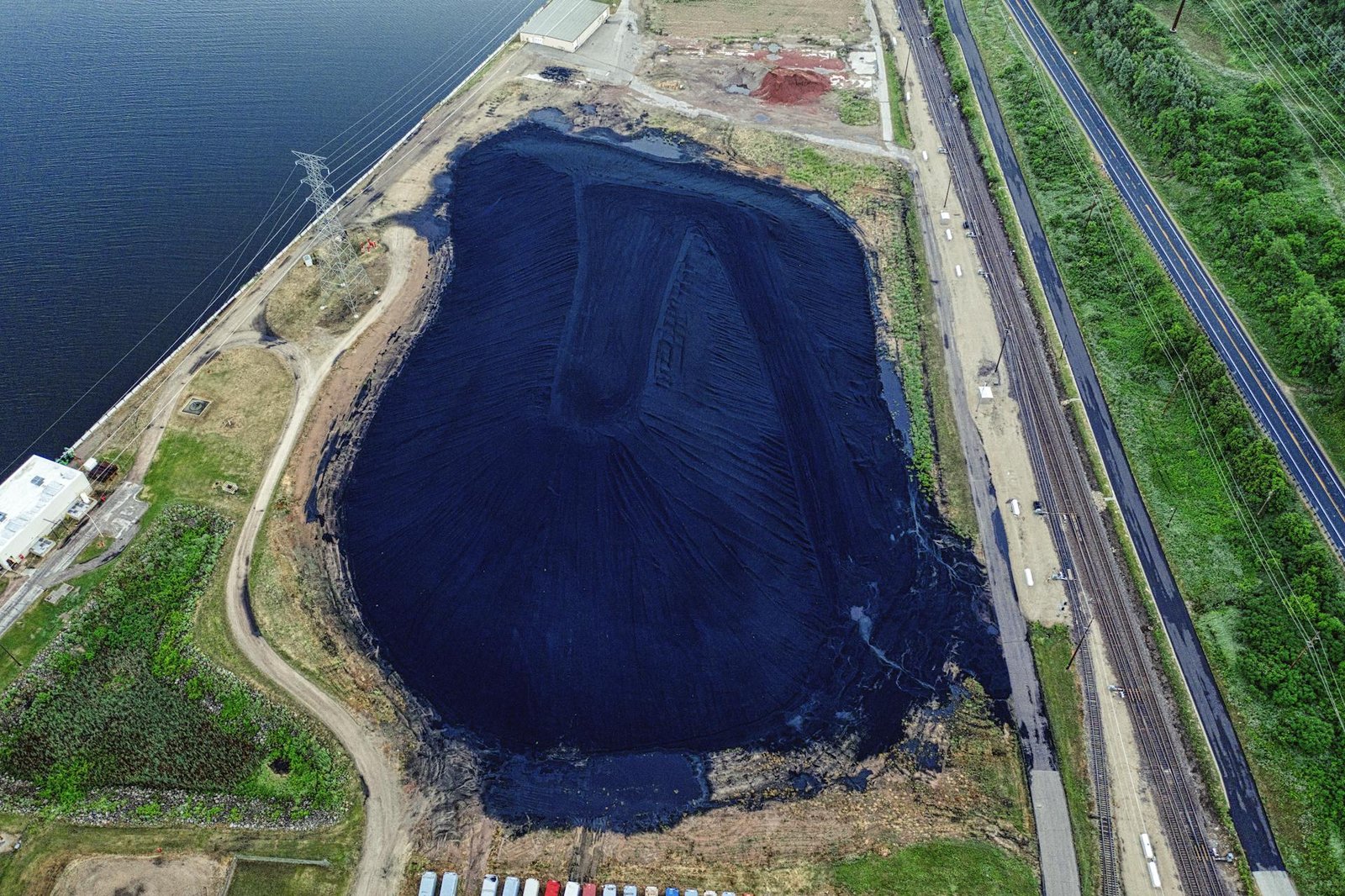
Hundreds of residents in Richburg, South Carolina — a community in Chester County — were unable to use their water for drinking or cooking after a backflow valve failure allowed a chemical herbicide to enter the public water supply from an industrial pond. The incident, documented in backflow case records and originally reported by local news sources, illustrates a common and preventable cross-connection risk: an industrial facility maintaining a fire suppression pond or water reservoir treated with algaecides or herbicides, without adequate backflow protection between that pond and the potable water system.
What Happened
The source of the contamination was a company called Foot Print, located off Highway 9, which manufactures packaging material. The company maintained a large pond outside the facility that served as a water supply for fire suppression purposes. To control algae growth in the pond, the water was treated with flumioxazin — an herbicide used in agricultural and aquatic applications. Chester Metropolitan District warned Richburg residents not to drink or cook with the water after officials determined that the herbicide may have entered the water system. According to officials, a backflow valve in the system failed — the valve that was designed to keep the pond water out of the public water supply failed to perform its function, allowing the herbicide-treated pond water to enter the distribution system.
Officials estimated that it could be Monday or Tuesday before the hundreds of affected residents would be cleared to use their water again — a multi-day disruption for an entire community. The area covered by the advisory included residents served by the Chester Metropolitan District in the Richburg area.
The Cross-Connection That Caused the Problem
This incident represents a classic high-hazard cross-connection: an industrial fire suppression pond — a non-potable water source that has been chemically treated — connected to or near the potable water supply system with inadequate backflow protection. Flumioxazin, the herbicide involved, is a protoporphyrinogen oxidase inhibitor used to control aquatic weeds and algae. While its aquatic applications are common, it is not a compound that belongs in a drinking water system at any concentration. The presence of a backflow protection device — one that subsequently failed — indicates the cross-connection risk was recognized, but the device was either not the correct type for the hazard level, not properly maintained, or not tested on the required schedule.
Under South Carolina’s backflow prevention program, administered by SCDES (South Carolina Department of Environmental Services), all backflow prevention assemblies must be from SCDES’s approved assembly list and must be tested by SCDES-certified testers. Industrial facilities with connections to fire suppression ponds containing chemical additives — whether algaecides, herbicides, or fire suppressants — require RPZ (Reduced Pressure Zone) protection, not simply a double check valve. An RPZ’s differential pressure relief valve provides a third barrier against backflow; if either check valve fails, the relief valve vents the potentially contaminated water to atmosphere rather than allowing it to enter the potable supply.
The Recurring Pattern: Industrial Pond Connections
The Richburg incident follows a recurring pattern in documented backflow contamination events. Industrial and commercial properties frequently maintain on-site ponds or tanks for fire suppression, process water, or cooling purposes. These non-potable water sources are often chemically treated. When these sources are connected — directly or through irrigation or fire suppression systems — to the potable water supply without properly specified, installed, and maintained backflow protection, they represent ongoing health hazard cross-connections. The failure scenario is always the same: a pressure drop in the distribution system, combined with higher pressure in the non-potable source (or a failed check valve), creates the conditions for reverse flow into the potable supply.
Water utilities and state backflow programs specifically target these industrial and commercial connections during their cross-connection control surveys because they represent the highest-consequence failure scenarios. A backflow event from an industrial chemical pond can expose an entire community to contaminants that boiling cannot address and that may not even be detectable by taste or odor until concentrations are already significant.
South Carolina's No-Reciprocity Program: A Compliance Note
South Carolina is nationally notable for its self-contained SCDES certification program — no reciprocity with ABPA, ASSE, or any other national certifying body is accepted. Every tester performing work in South Carolina must hold SCDES-issued certification, period. This creates a meaningful compliance barrier for industrial facilities that use out-of-state maintenance contractors: even a highly experienced backflow tester holding ABPA and ASSE 5110 credentials cannot legally test or certify assemblies in South Carolina without SCDES certification. Facilities in South Carolina relying on national contractors for backflow testing should verify SCDES certification status before scheduling any testing.
Industrial Facilities: Verify RPZ Protection on All Chemical-Treated Water Sources
If your facility maintains a pond, tank, or reservoir that is chemically treated — for any purpose, including algae control, fire suppression additive, or process water — and that water source is connected to or near the potable water system, that connection is a health-hazard cross-connection requiring RPZ protection. A double check valve is not sufficient for a health-hazard application. If you are in South Carolina, confirm your RPZ tester holds current SCDES certification — national credentials are not accepted.
Source: BackflowCases.com — Richburg, South Carolina herbicide contamination case report (citing local news sources); SCDES — Backflow Prevention and Cross-Connection Control program documentation. Published at getyourbackflowtested.com/backflow-news